About the Program

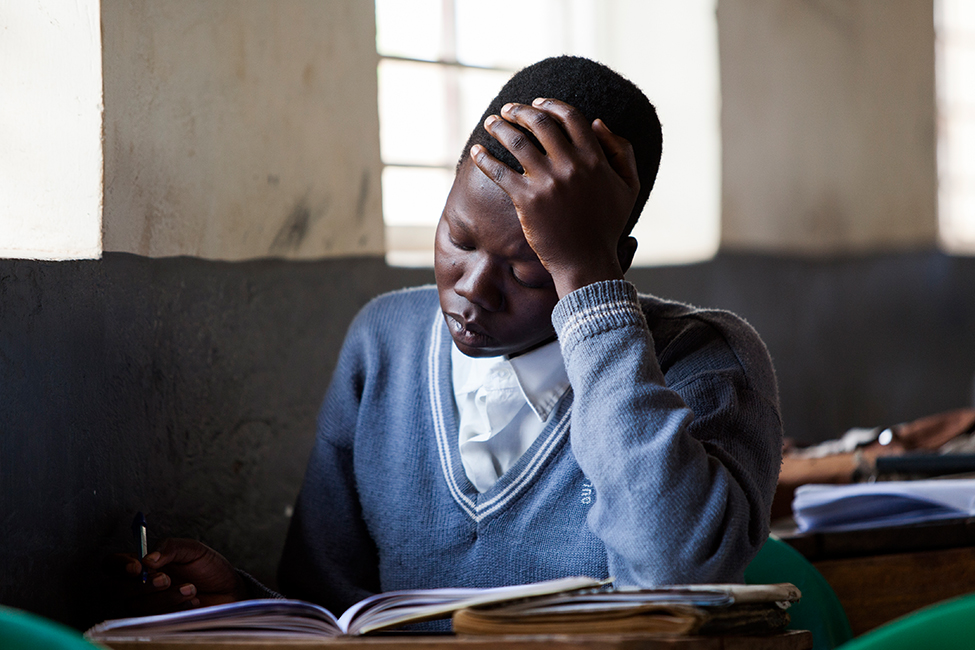
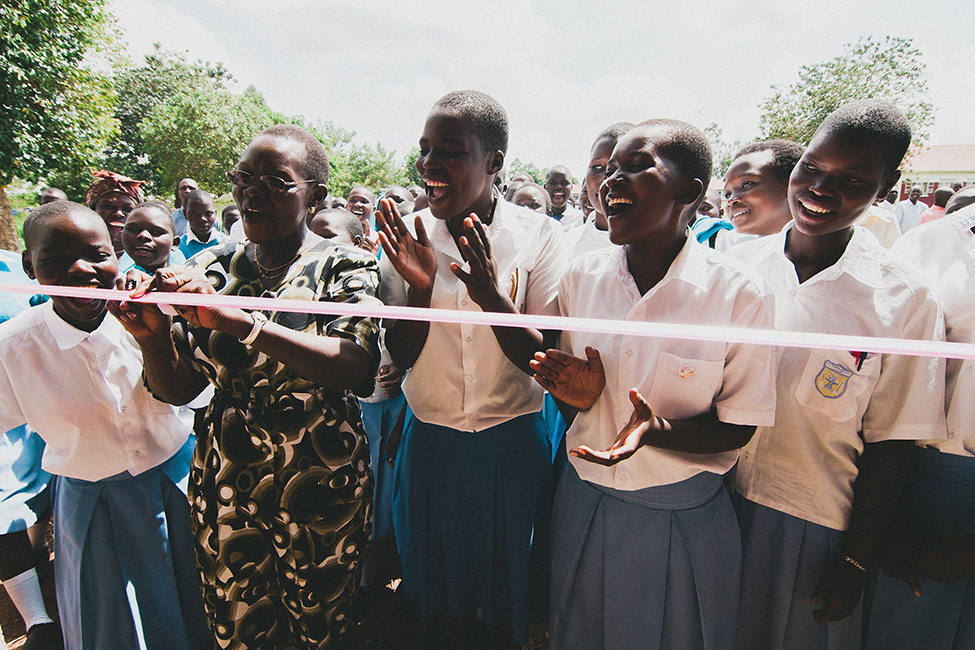
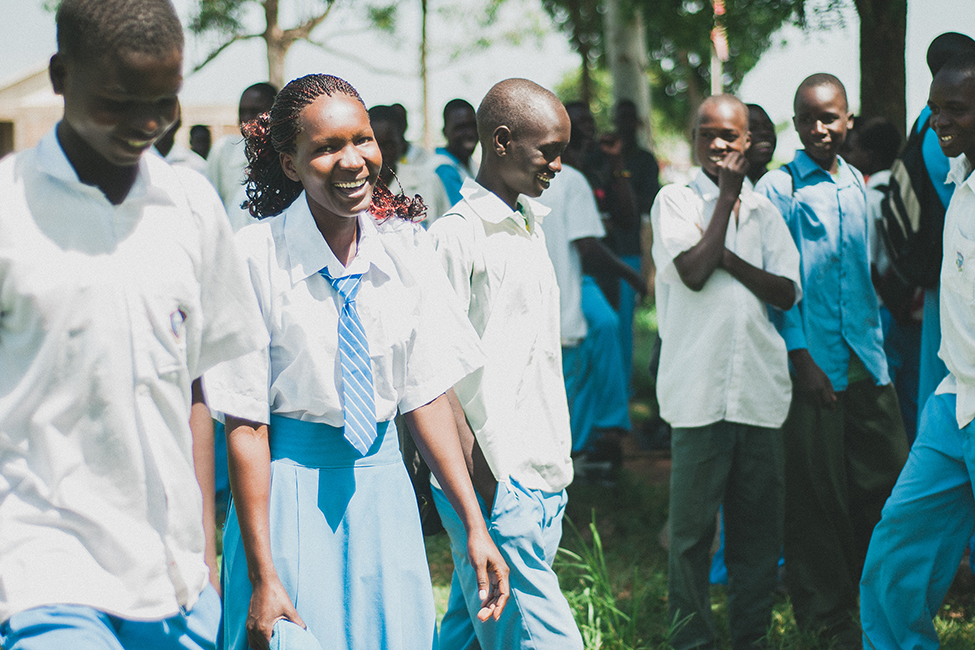
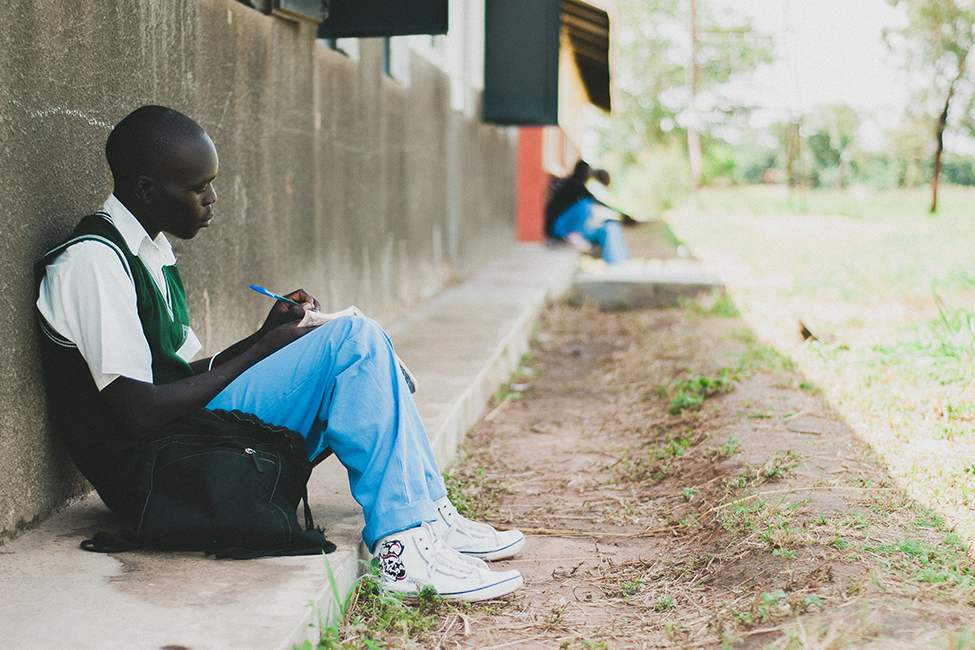
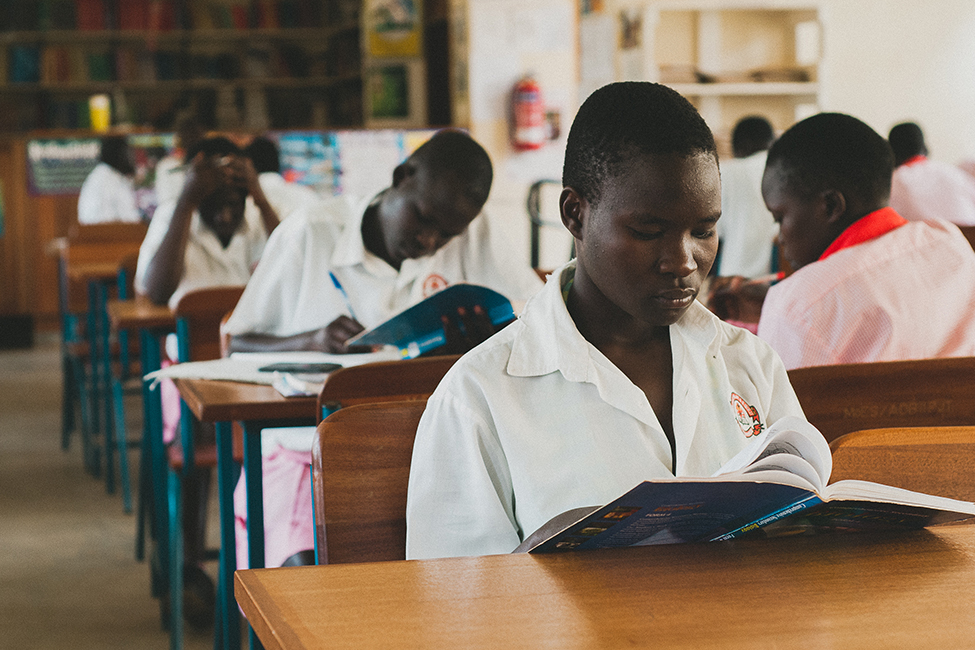
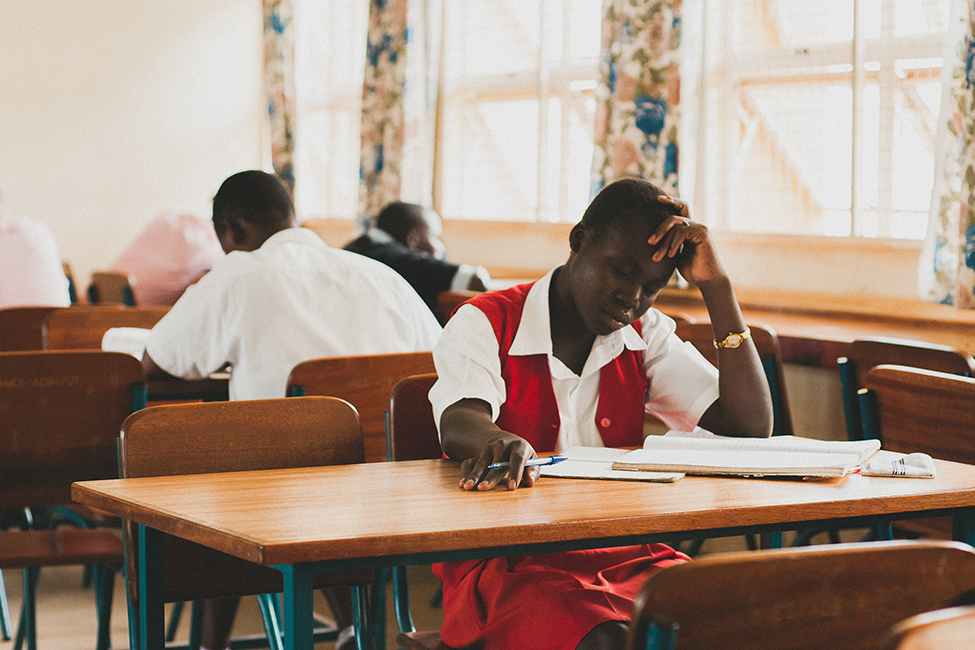
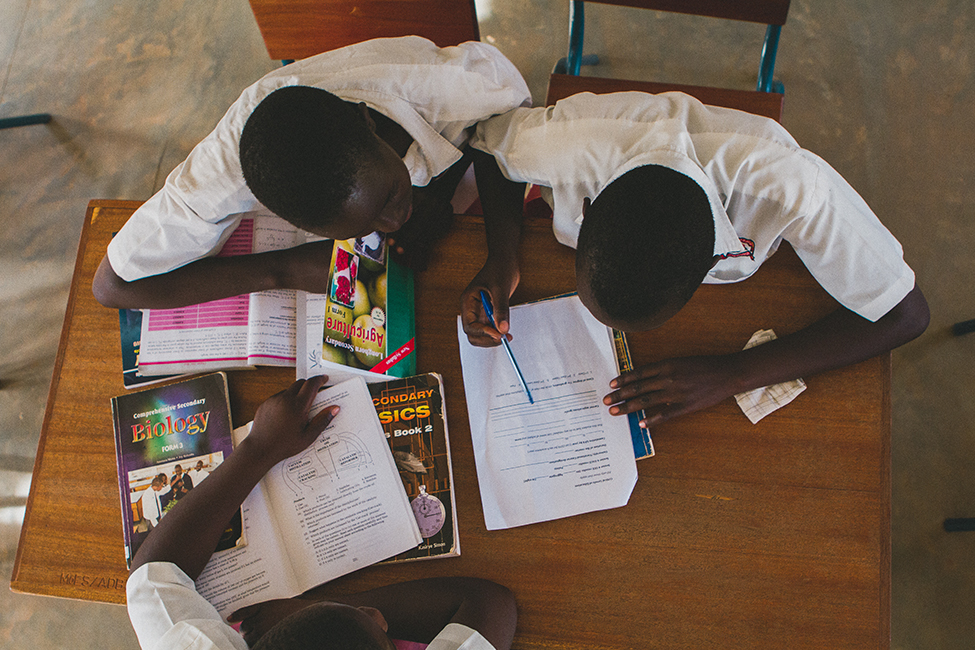
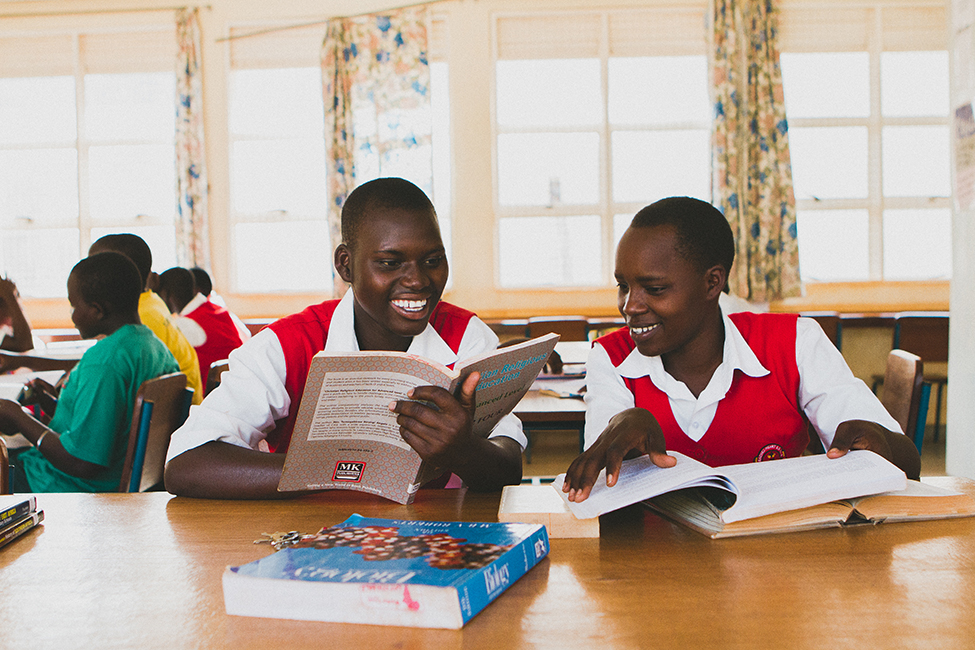
The Schools for Schools program builds and renovates school structures while also improving the school’s educational climate through career guidance, curriculum, and teacher training. The program currently works with 11 secondary schools in northern Uganda that have been affected by the LRA.

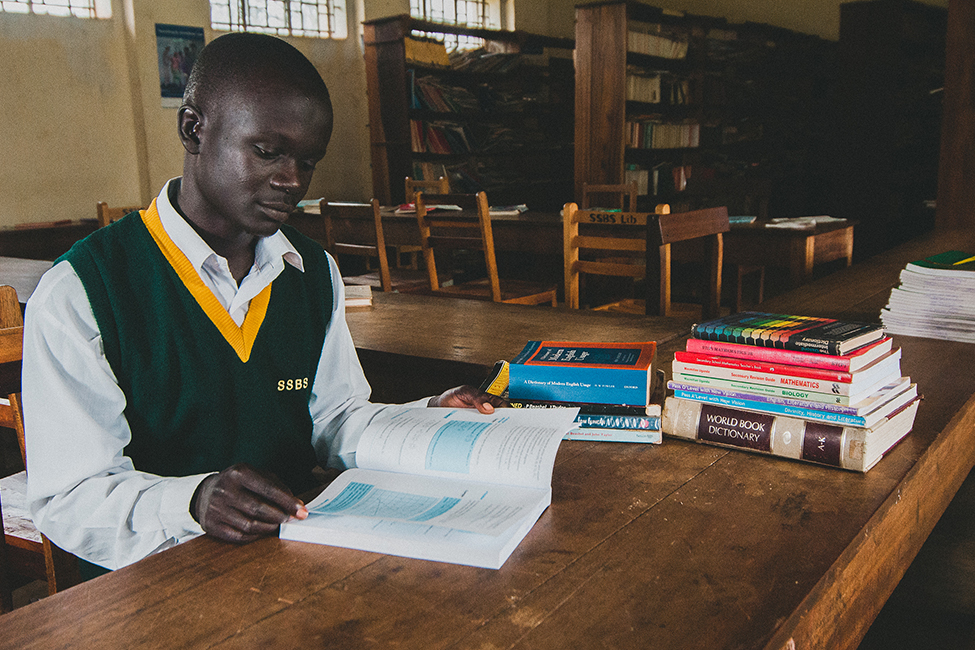
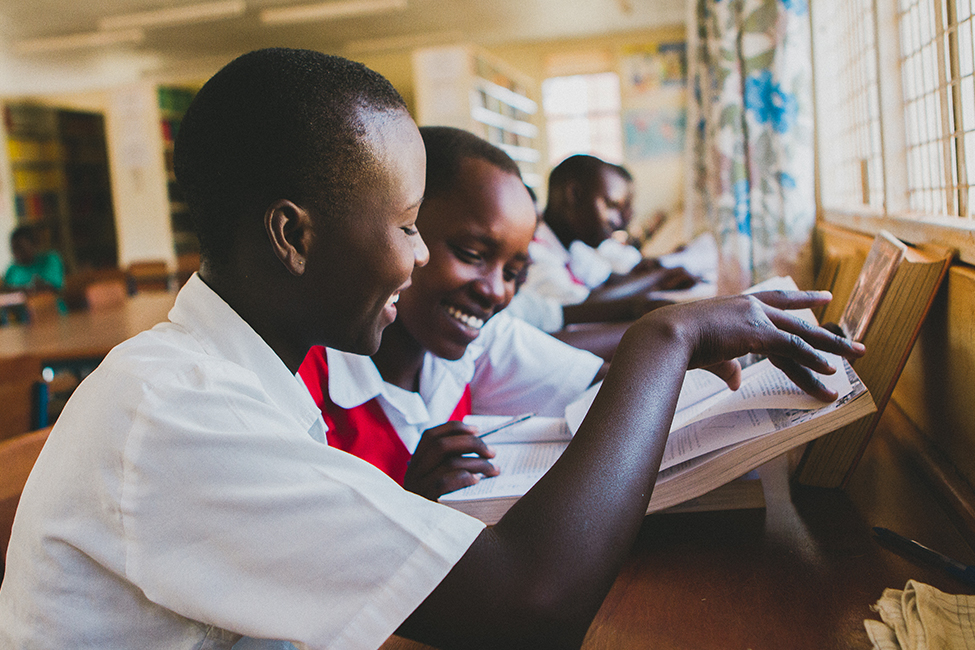
  • Schools for Schools library
    Program Details

    In 2006 the Schools for Schools (S4S) program emerged from Invisible Children’s overarching goal to raise the standards of secondary education in northern Uganda. The projects under the umbrella of Schools for Schools encourage academic excellence not only in students and teachers, but also within schools as a whole.

    Background

    In 1997, Uganda introduced the “millennium goal” of “Universal Primary Education.” In other words, the Ugandan government started paying for primary school. At that point, many organizations began to focus their efforts solely on assisting primary schools. The lack of attention given to secondary schools has made the pursuit of higher education even more difficult for students and teachers. Invisible Children Uganda’s local leadership recognized this gap and was determined to help reconstruct existing government-registered secondary schools across the districts of Gulu, Amuru, Nwoya, and Pader in northern Uganda.

    Schools for Schools-SecondaryHow it works

    The Schools for Schools program uses grassroots principles, engaging community involvement on all decisions concerning how funds are spent at each of our 11 partner schools. Through pre-existing and locally facilitated School Development Committees, those benefiting directly from the implementation projects—students, teachers, parents, members of the administration and the Board of Governors, as well as local government officials—sit and discuss what they feel a school needs most to improve its teaching and learning environment.

    One of the most important decisions Invisible Children Uganda ever made was deciding which Ugandan secondary schools to partner with. After developing extensive selection criteria, 11 existing institutions that showed potential for change and improvement were chosen. Four of the 11 schools served populations that had been displaced by the LRA conflict for years, with one school, Awere, serving a population that had been displaced for a decade and a half. Through the establishment of essential infrastructure, the Schools for Schools program has helped each of these four institutions return to their original school sites.

    Schools for Schools classifies its work into two specific areas of implementation:

    1. Engineering
    2. Education

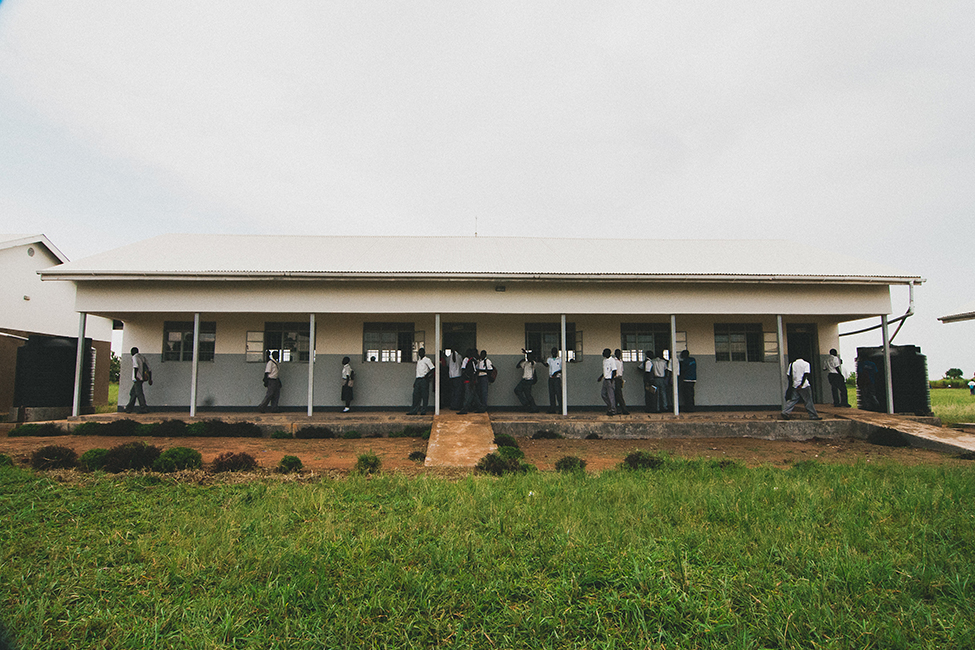
    Our engineering projects focus on building and renovating physical structures like classrooms, water systems, administrative buildings, dorms, science labs, and libraries. Education projects, in contrast, focus on initiatives that strengthen the non-physical educational climate inside a school such as teacher and administrator training, capacity building, or sports and curriculum development.

    Program Statistics:

    $7,306,980 has been invested in 216 school infrastructure projects at 11 partner schools currently benefiting 9,300 students

    • 42 New classrooms
    • 17 Refurbished classrooms
    • 5 New boreholes
    • 4 Refurbished boreholes
    • 4 Motorized Water Systems installed
    • 128 New latrine stances
    • 4  New girl dormitories
    • 5  New science laboratories
    • 4 New generators
    • 1  New fully-furnished computer laboratory
    • 2  Libraries (1 new and 1 refurbished)

    Innovative Implementation

    The Schools for Schools program values innovative implementation – finding sustainable and creative solutions to issues facing our partner schools.

    Our engineering projects include the construction of Eco-San Latrines at our partner schools, which take an environmentally friendly approach to sanitation, turning solid waste into field-ready fertilizer—a recyclable, valuable resource. By putting rainwater harvesting technology to use at our partner schools we ensure that the school communities have a sufficient and stable supply of safe water through a simple series of pipes, pumps, and water tanks.

    Curriculum development, career guidance, and writing competitions are all education initiatives implemented at our partner schools through Schools for Schools. Knowledge of Behavior and Self (KOBS) is a two-year curriculum that aims to help students become more emotionally literate. An additional curriculum, Read Engage and Discover (READ), is implemented with the aim of improving school reading culture in northern Uganda.

Program's Geographic Reach
Support our Programs
Support Our Program

Invisible Children focuses exclusively on the LRA conflict through an integrated four-part model that addresses the problem in its entirety: immediate needs and long-term effects. Invisible Children could not exist without the consistent generosity of people who share our belief that where you live shouldn’t determine whether you live.

Give to Our Programs
Powered by WordPress.com VIP